⚡️ Powering Precision The Future of Hysteresis Brakes Dynamometers and Motor Testing Solutions 🔧
In the world of industrial innovation, where torque meets technology and precision dances with power, hysteresis-based systems and motor testing equipment stand as unsung heroes. These marvels of engineering don’t just keep machinery running—they redefine what’s possible. Let’s explore how hysteresis brakes, dynamometers, clutches, and advanced motor test systems are reshaping industries, one revolution at a time. 🛠️ **The Silent Revolution: Hysteresis Technology Unveiled** At the heart of countless industrial processes lies a quiet powerhouse: hysteresis technology. Unlike traditional mechanical systems that rely on friction or physical contact, hysteresis devices harness magnetic fields to deliver unmatched control. Picture a brake that stops rotating equipment without a single touching surface, or a clutch that engages with the elegance of magnetism—this is the magic of hysteresis. Hysteresis brakes, for instance, offer smooth torque control ideal for applications requiring delicate tension management. Imagine film production reels unwinding seamlessly or robotic arms performing micro-adjustments in semiconductor manufacturing—all achieved with zero wear-and-tear. Meanwhile, hysteresis dynamometers serve as the ultimate truth-tellers in performance testing, measuring torque and speed with surgical precision while dissipating energy through electromagnetic wizardry. 🔬 **Motor Dynamometers: The Laboratory of Motion** When engineers need to push electric motors to their limits, motor dynamometers become their proving ground. These systems simulate real-world loads with astonishing accuracy, answering critical questions: How much torque can this EV motor truly handle? Will this drone propeller maintain efficiency at extreme RPMs? 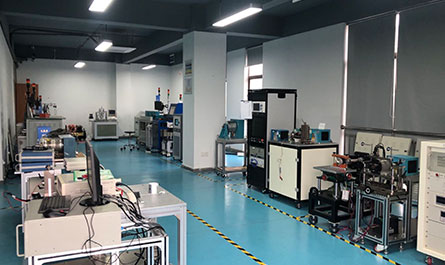 Modern dynamometers have evolved into data goldmines. Integrated sensors now track temperature fluctuations, vibration patterns, and energy consumption in real time. Consider the case of an aerospace manufacturer testing jet engine starters—by pairing hysteresis dynamometers with AI-driven analytics, they reduced validation cycles by 40% while uncovering hidden efficiency gains. 🌐 **The Rise of Smart Motor Test Systems** Gone are the days of standalone testing equipment. Today’s motor test systems resemble orchestrated networks where hysteresis components communicate with IoT-enabled sensors and cloud-based platforms. A automotive client recently implemented such a system for EV motor production: – Robotic arms install motors onto adaptive test platforms – Hysteresis clutches simulate different road conditions (ice, mud, steep inclines)
 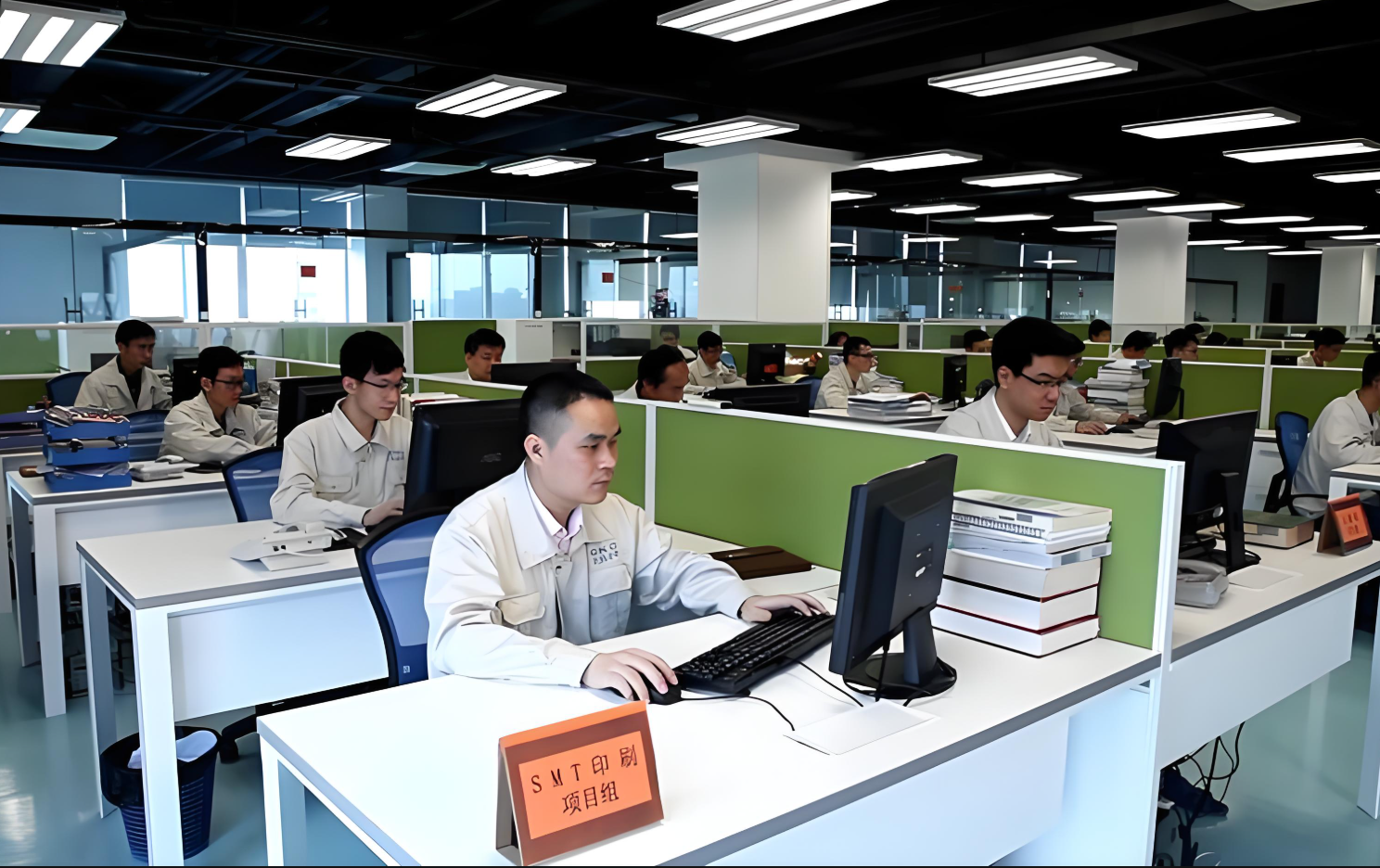 – Thermal imaging cameras detect microscopic efficiency losses – All data streams into a digital twin that predicts maintenance needs This integration cuts waste in unexpected ways. Aerospace automation solutions discovered that by combining hysteresis brake testing with machine learning algorithms, they could predict bearing failures six months in advance—saving millions in unplanned downtime. 🚀 **Industry-Specific Breakthroughs** The versatility of hysteresis systems shines across sectors: _In Robotics_: Hysteresis brakes enable surgical robots to maintain precise pressure during micro-incisions. Their non-contact design eliminates particulate contamination—a game-changer for cleanroom applications. _Renewable Energy_: When testing tidal power generators, dynamometers must handle saltwater corrosion and extreme loads. Hysteresis-based solutions outperform hydraulic alternatives with 30% better longevity in marine environments. _Consumer Electronics_: The smartphone in your pocket likely contains components tested by micro dynamometers. These thumbnail-sized systems validate vibration motors with nanometer-level precision, ensuring your device buzzes perfectly for a decade. 🔮 **Tomorrow’s Testing Landscape** As Industry 4.0 accelerates, three trends emerge:
 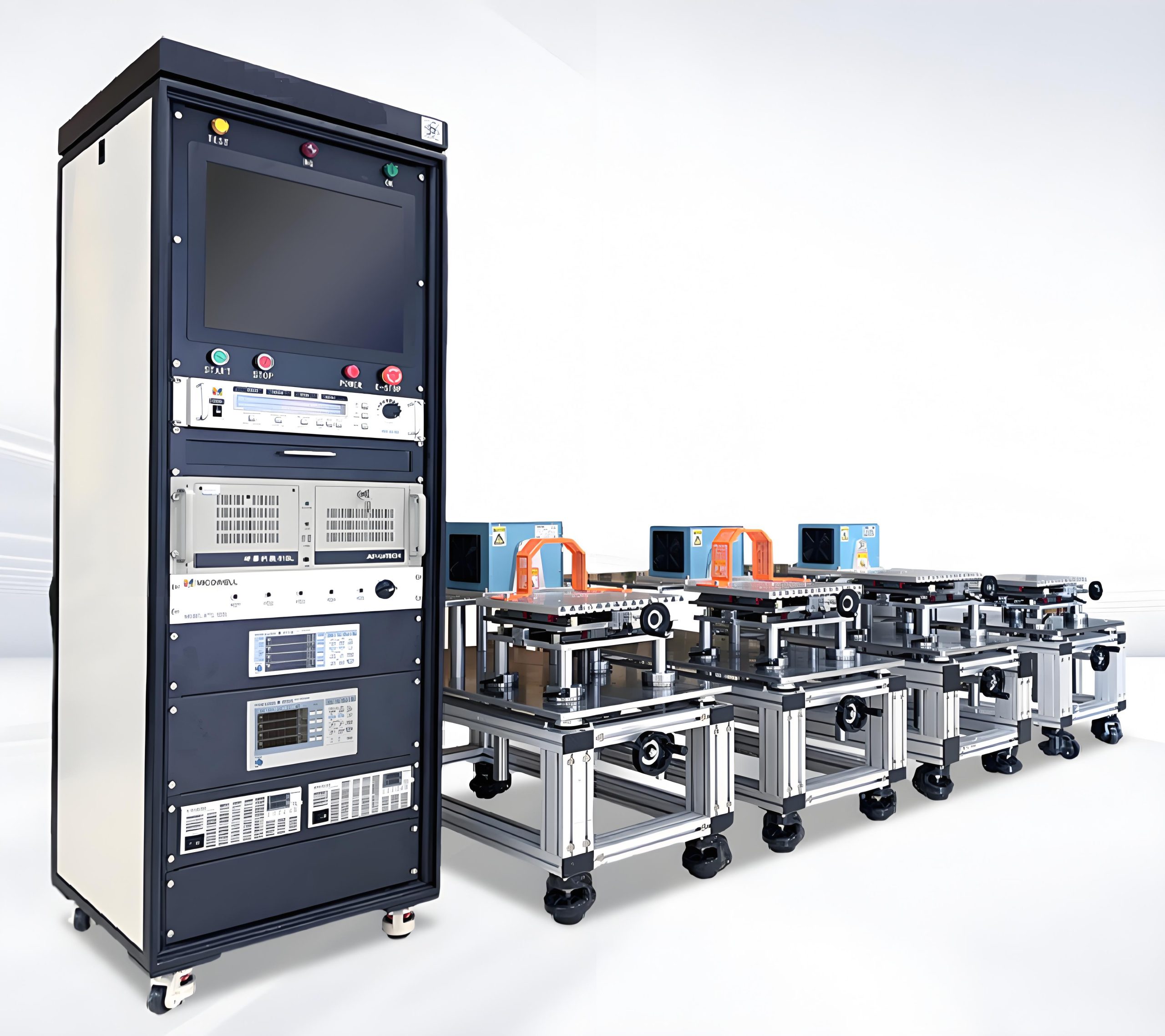 1. **Self-Learning Systems**: Future hysteresis devices will auto-adjust their magnetic fields based on material wear patterns detected via embedded quantum sensors. 2. **Edge Computing Integration**: Dynamometers processing data locally will deliver real-time insights without cloud latency—critical for hypersonic vehicle testing. 3. **Sustainable Testing**: Regenerative hysteresis systems that convert wasted kinetic energy into reusable power are already cutting energy costs by up to 60% in prototype phase. 🤝 **Your Partner in Precision** Choosing the right testing partner means more than buying equipment—it’s about embracing a philosophy of measurable excellence. When evaluating systems, ask: – Can the dynamometer handle both 10W micro-motors and 10MW industrial beasts? – Does the hysteresis clutch offer programmable engagement curves for unpredictable load scenarios? – How seamlessly does the system integrate with existing PLCs and MES software? The answers often lie in modular designs. Leading manufacturers now offer “building block” systems where hysteresis brakes snap into dynamometer frames, which then connect to customizable software suites—all upgradable via firmware rather than hardware replacements. 💡 **The Human Factor** Behind every hysteresis curve and torque readout stands a team of engineers pushing boundaries. Take the story of a Formula E team that combined motor dynamometer data with driver biometrics. By analyzing how racing conditions affected both machine performance and human reaction times, they optimized energy recovery systems to match driver stamina patterns—a fusion of man and machine made possible by precision testing. From the whisper-quiet operation of hysteresis clutches in hospital MRI machines to the earth-shaking torque validation of mining truck motors, these technologies form the invisible backbone of modern industry. They don’t just test products—they validate possibilities, ensure safety, and quietly power humanity’s next giant leaps.
  The question isn’t whether your operations need hysteresis and testing solutions, but how quickly you can harness their full potential. After all, in the race between innovation and obsolescence, precision isn’t just an advantage—it’s the finish line. 🏁